The Beginning — And the Thing I'm Not Proud Of
Almost everyone knows someone with epilepsy. You probably do too — a friend, a sibling, a parent, a cousin. I happen to be three of those things to the people in my life. The fourth one I finally figured out — I'm a spouse now, which means someone legally has to deal with me.
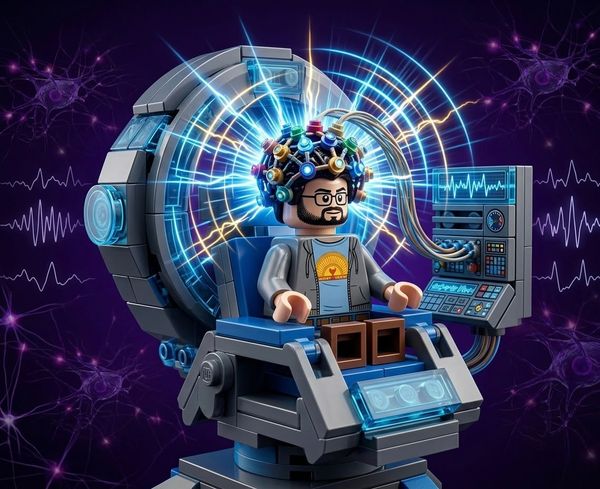
But here's what most people don't know about epilepsy: it's not just "the shaking thing." It's a neurological disorder where misfiring nerve cells essentially force your brain to hit ctrl-alt-delete on your entire body. Your mind gets overwhelmed, and it reboots — whether you're ready or not. Whether you're driving or not. Whether you're in public or not.
I grew up in El Paso, Texas, where neurologists were a myth — the few that existed either didn't know what they were looking at or didn't take Medicaid. I come from a single parent household with two younger sisters where our insurance came from the state. I'm also Latino, so epilepsy is most definitely something you don't talk about — because then you're possessed by the devil. So for a long time, epilepsy in my world was something that happened to people, not something you managed or understood or talked about openly.
The stigma around epilepsy isn't new — it's ancient and it's ugly. For most of human history, a seizure wasn't seen as a medical event. It was seen as possession. As punishment. As madness. The word "epilepsy" comes from the Greek word for "to seize" — as in, seized by a demon. In medieval Europe, people with epilepsy were locked away. In some cultures they still are. And even now, in 2026, the first thing a lot of people assume when they see someone having a seizure is that they're on drugs. Not that their brain is misfiring. Not that they need help. Drugs. That assumption has followed me my entire life — and it has followed every epileptic I know. We spend half our energy managing our condition and the other half managing what people think our condition means about us.
I was once one of those ignorant people. I'm not proud of it.
Eighth grade. English class. My teacher — we'll call her Ms. Norbury — had already made a joke comparing me and my best friend to Damian and Janis from Mean Girls. Which meant the most popular girl in our grade, also in our class, was Regina George by default. Then one day she fell out of her chair and had a grand mal seizure. None of us knew what was happening to her. Honestly my first thought was that she had fainted from not eating — you know how it is in middle school. The teacher rushed us into the hallway and that was that.
When school ended for the day I went home and called a friend to gossip about the eventful day that happened. And that's when the jokes and laughing started.
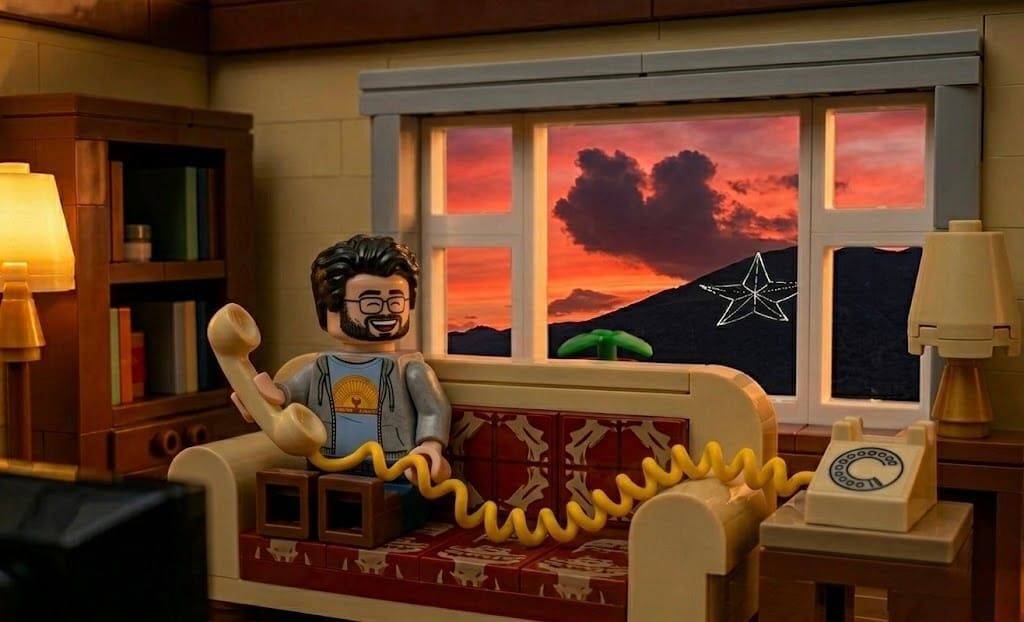
I remember sitting on my couch talking on my landline phone with a long phone cord that reached to the couch because THE FUCK if I was going to stand by the phone and talk. This is when cell phones ran on minutes — I had prepaid, so I didn't get the 7 or 9 privilege. As our conversation started, before you knew it, the most horrible thing flew out of my mouth.I said "she looked like a fish out of water."
Since 8th grade that has stuck with me and I will never, ever forget that.
Because now I know people have said the same thing about me.
That's the thing about epilepsy that nobody tells you — the stigma doesn't just come from strangers. Sometimes it lives inside you first, planted before you even knew you were one of us. This blog exists because I'm done with that stigma. Done with the "you can't do that." Done with the silence and the shame and the low expectations.
I've been epileptic my whole adult life. I've also built a career, advocated nationally, and done things people told me were impossible.
I started this because I know what it feels like to be alone in this. You aren't alone.
— Enrique
"You may not control all the events that happen to you, but you can decide not to be reduced by them." — Maya Angelou
If this resonated with you, subscribe — new posts go out regularly and you won't want to miss what's coming next.