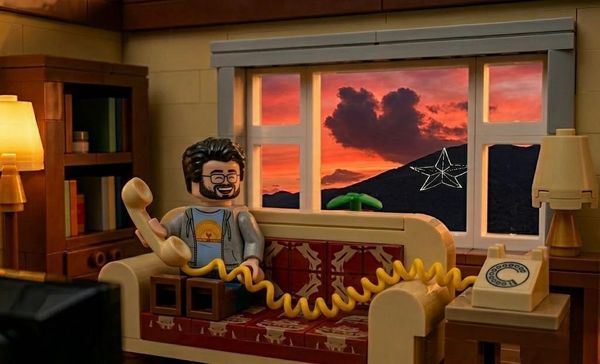
33 Pills, 30 Seizures, and a Box of DumDums
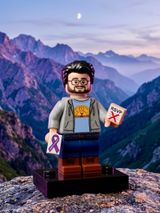
Turn on the news on any given day and you'll hear about the everyday American struggling to pay for their prescription drugs. Back in 2007, my family was living that headline. I had just been diagnosed with epilepsy, and if there was one thing my parents agreed on during that time, it was this: money was always the argument.
When my neurologist got me started on epilepsy medication, we weren't talking about the kind of pill you grab off a drugstore shelf. We're talking hundreds of dollars — money my mom didn't have. She was working hard raising three kids at once: one teenager with a brand-new diagnosis, one 10-year-old she was saving up for a quinceañera, and one 3-year-old growing like a little tree who needed something new every other week.
Even with Texas CHIP, the co-pays hit hard. I didn't fully understand it then the way I do now, but looking back, I can see how much of the household budget disappeared into those prescription bottles every month. My mom carried the weight of all of it. And whenever I wanted something — anything — the answer was almost always "No." I used to feel the sting of that word. Now I understand it was never about me. It was about survival.
She was also quietly enrolling herself in college at the same time. Raising three kids, working, managing the medication costs, and going to school. That woman never stopped moving.

My dad's contribution? When my mom called about child support, his answer was always the same: "It's coming." Or our family's personal favorite — "I'm waiting for the big fish."
The numbers didn't lie
While the money stress lived at home, my neurologist was dealing with a medical mystery. He kept looking at my EEGs and coming back baffled — everything was returning normal. Seizures clearly happening. Normal EEG. He sent me all the way to San Antonio to see an epileptologist to figure out what was actually going on. So there I was: waiting for answers that hadn't arrived yet.
In the meantime, I remember counting the pills going down my throat one day. I counted all the way to 33. Thirty-three pills — just to try to calm the seizures I was having 30 to 50 times a day.
"Thirty-three pills. And they still weren't stopping."
The journalism room
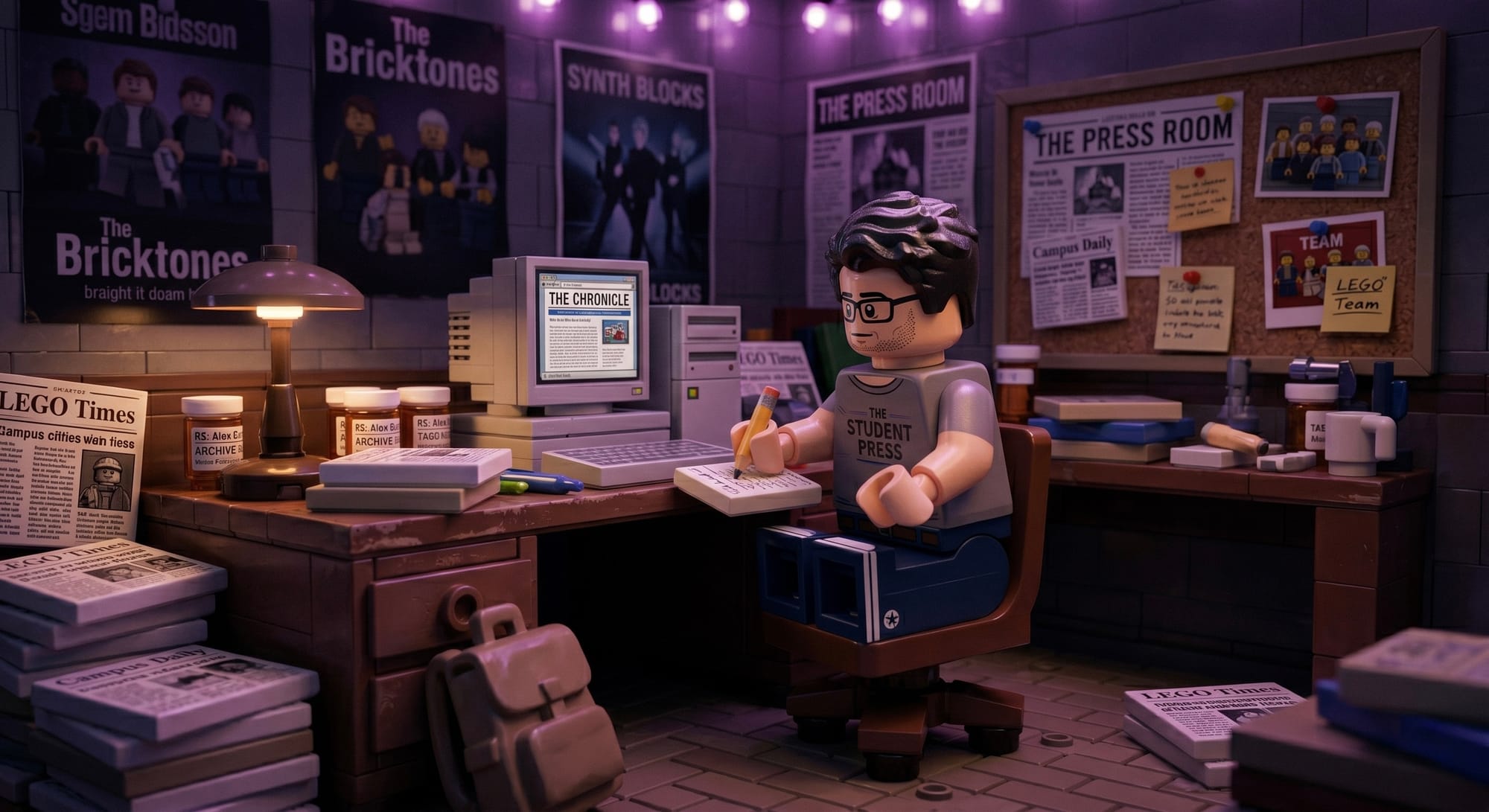
If you wanted to find me during this time, you went to the basement. I had found my place on the school newspaper — I was an editor, the go-to person for selling ads, and I loved every second of it. Sophomore year was good academically. Journalism gave me something that was hard to find anywhere else: a place that made sense.
A big part of that was my teacher. I'll call her Ms. Gale. It was only her second year teaching, but she had already figured out something a lot of adults hadn't — that some kids needed their school life to be separate from everything else they were carrying. She knew about my medical situation. And she kept it separate. The journalism room became a safe space because she made it one.
I didn't realize at the time how much that mattered. I do now.
The left arm
Here's something I've never really explained to most people: by this point, I had started to know when a seizure was coming. I could feel it in my left arm first — a sensation that told me I had a small window before it hit.
So I learned to manage it quietly. At home, I'd say "I'll be right back," walk to my room, have the seizure, and come back. At school, my teachers learned to leave me alone when it happened and then send me to the nurse. I'd walk through that door and the nurse already knew. No explanation needed. If I was walking in, I'd had a seizure.
I was hiding it as much as I could. Not because I was ashamed exactly — more because stopping felt like giving something up. And I wasn't ready to give anything up.
What "functioning" actually looked like
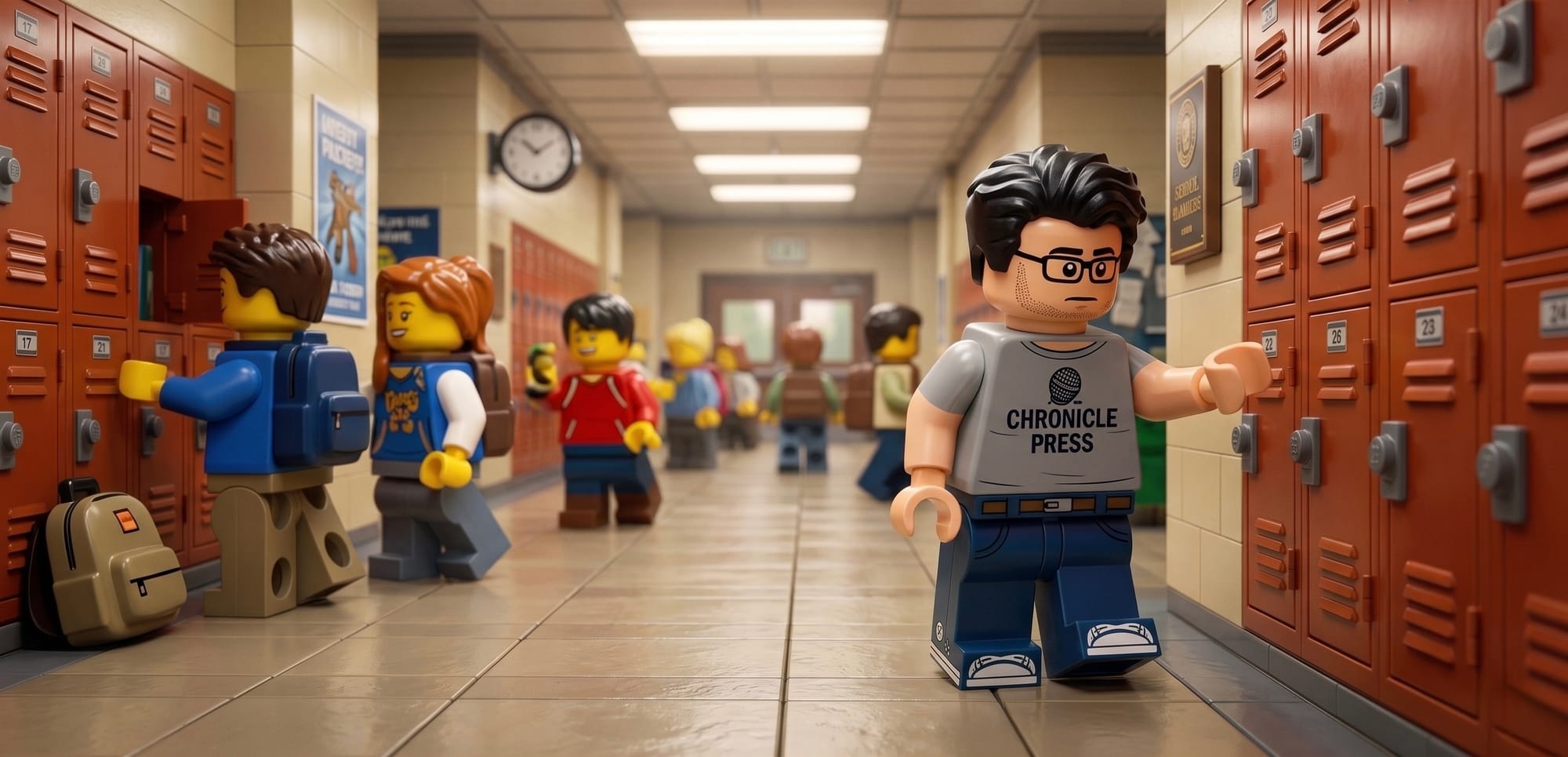
People sometimes ask how I was doing all of this — newspaper, student council, school trips — while having 30 to 50 seizures a day. The honest answer is that the seizures weren't even the most chaotic part of my life at that point.
At home, I was picking up my younger sister from school. There was a period when we got evicted and had to move into an apartment. Then my mom, still carrying the full load of work and school, asked me to find us a house to live in. I was a teenager. I found a house.
You don't stop because you can't afford to stop. There are people depending on you. So you get back up. Every time.
Don't be a sucker
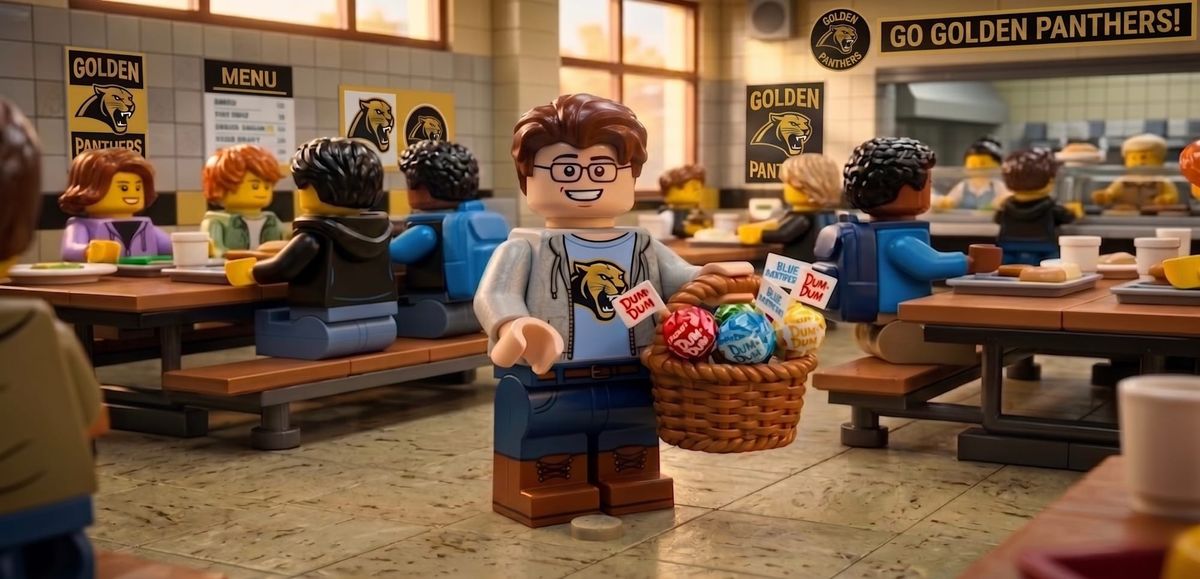
By the end of sophomore year, in the middle of all of it, I decided I wanted to do something more. I ran for Junior Class Treasurer. My campaign strategy? I walked through the cafeteria handing out DumDum lollipops, each one attached to a little slip of paper:
"Don't be a sucker. Vote Enrique Jaramillo for Junior Class Treasurer!"
That was my mom's idea. She was the one who looked at me — through all of it — and said, "You can do it." Not once. Always. And you know what? Not only did I do it. I won.
A good summer, and a few zip lines
That summer, things opened up. My school paid for a trip to the University of Texas at San Antonio for a student council leadership conference with students from all over Texas. Being around other young people who were driven and ambitious — I didn't know how much I needed that. (I also had no idea then how much of my future would unfold in that same city.)
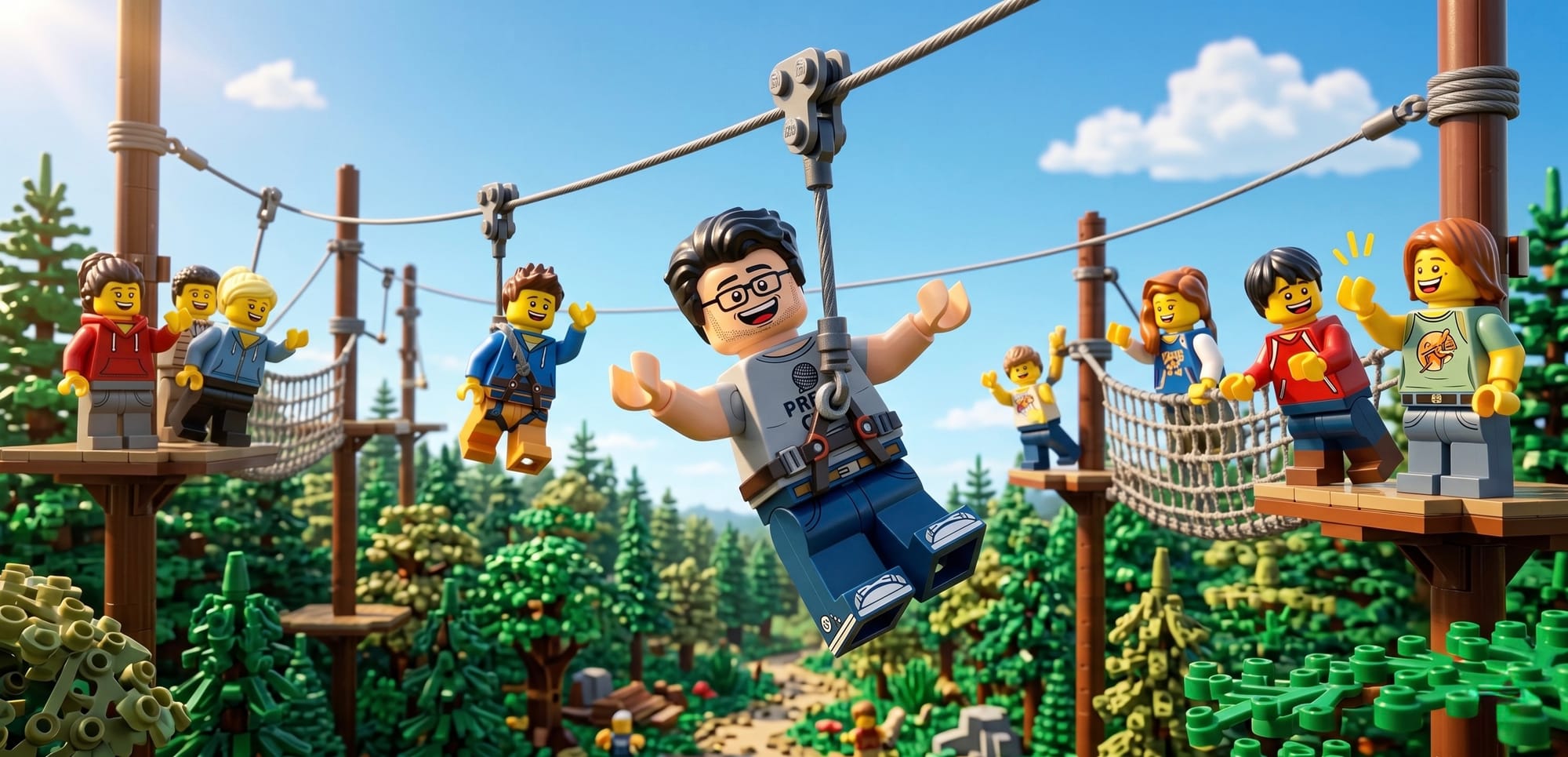
We also went to the University of Texas at El Paso for team-building. We did zip lining. We learned to trust each other. I will never forget that trip. It was so much fun.
Junior year: the comeback nobody wanted
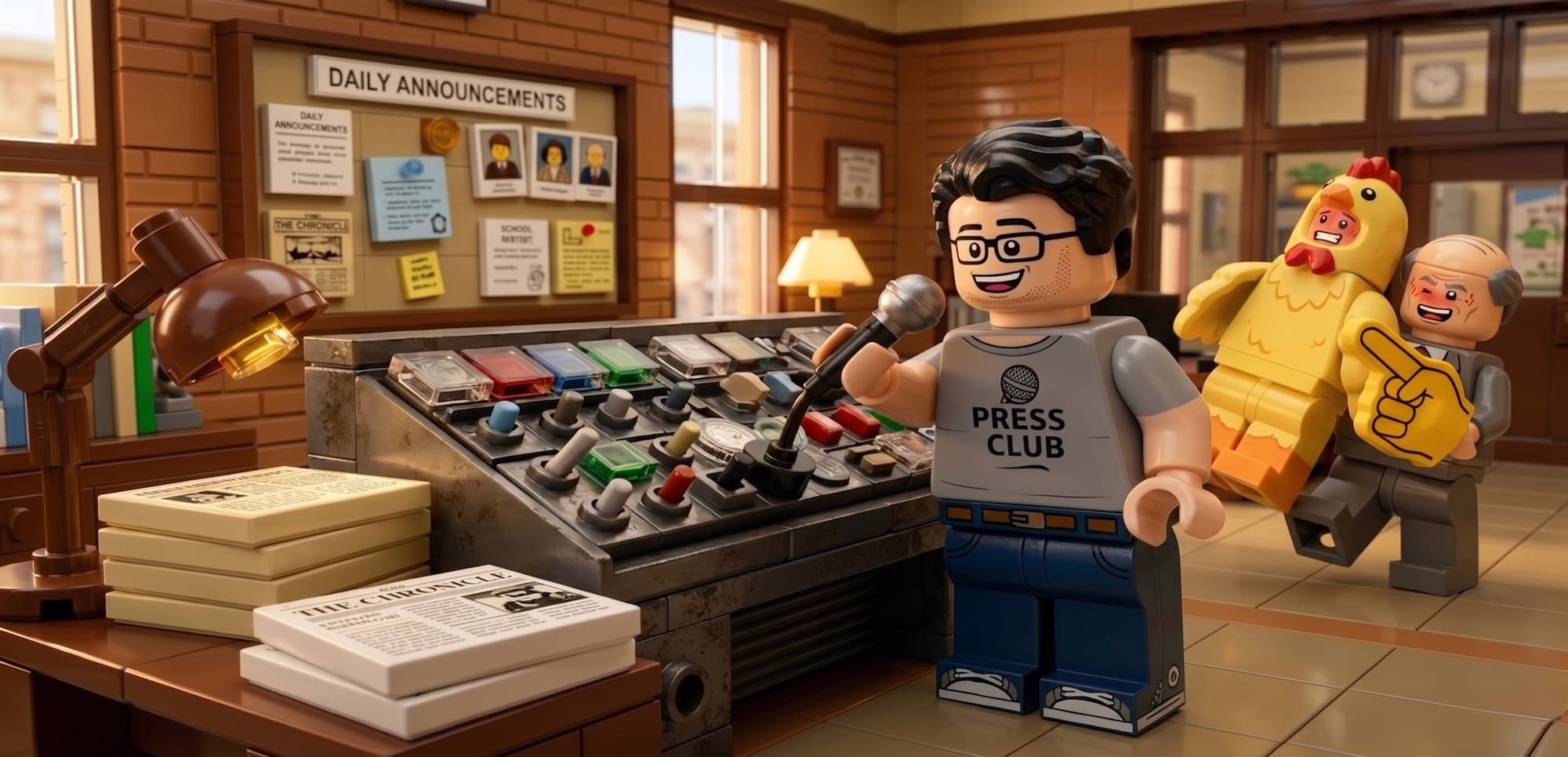
When junior year started, everything felt right. My seizures were under control. I was Junior Class Treasurer. I had stepped up academically too — I was taking AP classes for the first time, really pushing myself at that level. And every morning, I was the voice on the intercom reading school announcements. That was the highlight of my day.
The principal used to sneak into the room while I was on air and do something ridiculous just to crack me up. My teacher would find me afterward: "I was told you were laughing during the announcements. Is that true?" I couldn't lie. But it was worth every second.
Then second semester hit. And so did the seizures.
They came back hard, and I started losing things one by one. The AP classes went first — I couldn't keep up anymore, and I had to let them go. Then the absences piled up. My voice disappeared from the intercom. The student council went to Dallas for a convention, and I stayed home. My seizures weren't under control enough to go.
"I wasn't just losing ground. I was watching things I had worked for get taken away, one at a time."
By the end of junior year, I was making more and more trips to San Antonio — a week at a time — trying to figure out what my brain was doing and why it wouldn't stop.
-Enrique
"You don't stop because you can't afford to stop. There are people depending on you. So you get back up. Every time."
— Enrique Jaramillo (ME!)
⚡ Next time: The trips to San Antonio were just the beginning. What came next would change everything — my brain, my body, my family, and the course of my entire life. We're just getting started.